

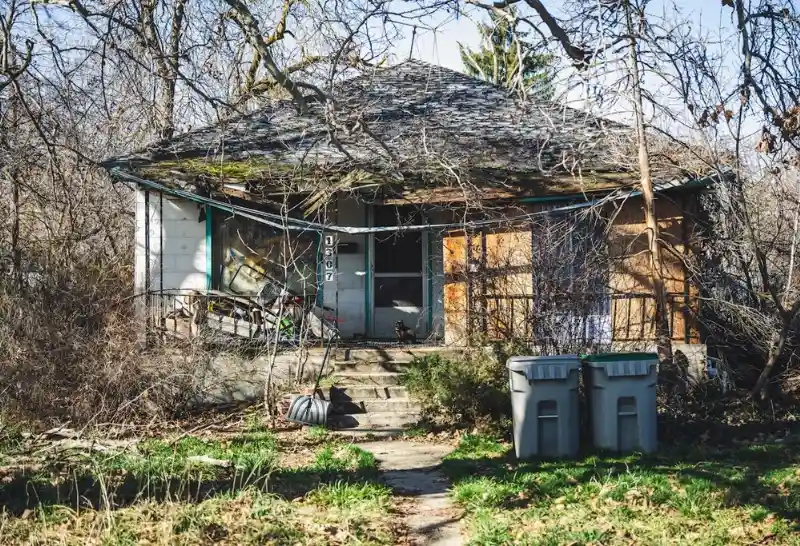
Standing in the doorway of a house packed floor to ceiling, the first question most people ask isn’t “how do I clean this?” It’s “is cleaning this even worth it?” That’s the right question to ask, and it’s the one most cleanout advice skips right past.
Because the truth is, a full cleanout sometimes pays for itself and often doesn’t, and knowing which situation you’re in before you spend a dime separates the sellers who net real money from the ones who pour thousands into a house and land right back where they started.
If you inherited a hoarder property, or you’re settling an estate for a parent or relative in Wilmington or somewhere else in New Castle County, this decision carries extra weight. You’re not just calculating dollars. You’re doing it while grieving, often from out of state, and usually with a probate clock and monthly bills running in the background. So let’s talk through it plainly.
Look before you touch anything
Before you rent a dumpster or call a crew, walk the whole house with your eyes open and your hands off. What you’re doing is sizing up how bad it is, because “hoarder house” covers everything from a home with too much stuff to a home that’s genuinely unsafe to enter.
Pay attention to the things that change the whole equation — blocked exits and staircases. Water stains, mold, or that musty smell that means moisture has been sitting somewhere for a long time. Signs of rodents or insects. Floors that feel soft underfoot, walls that bow, ceilings that sag. And the serious stuff: animal waste, spoiled food, or anything biohazardous.
Here’s the line I’d draw firmly. The moment you spot biohazards or structural damage, stop. Don’t start hauling. A house at that level needs a licensed inspector and specialized remediation, not a weekend and a pickup truck.
Disturbing contaminated material without protection is a real health risk, and in Delaware it can also expose you to liability as the seller. This is also the exact point where a lot of people realize a full cleanout is a bigger project than the house is worth, which is fine to learn now rather than three dumpsters in.
Sorting it out without losing your mind
If you’ve decided the cleanout makes sense, the work comes down to three piles: keep, donate, and toss. Simple to say, brutal to do when every drawer holds a memory. For estate cleanouts especially, family photos and paperwork get buried in with decades of junk, so the keep pile matters more than it sounds.
Keep the things that carry real value or real meaning. Important documents, jewelry, photographs, anything with sentimental or monetary worth. Donate what’s still usable: the furniture, clothing, and housewares that someone else can use. Toss the broken, the spoiled, and the plain garbage, which in a serious hoard is going to be most of it.
One tip that saves people money: if the house holds items of genuine value, an estate sale company can liquidate the contents and offset a good chunk of your cleanout cost. It’s worth a phone call before you treat everything as trash.
Hiring a crew that can handle the work
A moderate-to-severe hoarder house is not a job for a standard junk removal outfit. You want a company that specifically does hoarder or estate cleanouts, carries liability insurance, and follows proper disposal rules.
Ask them directly whether they’re licensed and insured in Delaware, whether they handle biohazard material or you’ll need a separate remediation crew, and whether they’ll give you an itemized quote before anyone starts working. A legitimate company answers all of that without beating around the bush.
On cost, here’s a realistic Delaware range so you’re not blindsided. Light clutter might run around $1,500. A difficult situation with multiple full truckloads, biohazards, or structural debris can climb to $10,000 or more.
And that’s before repairs. Once you start pulling out the piles, you tend to find what was hiding underneath: buckled flooring, water damage, chewed wiring, an HVAC system on its last legs. It’s easy for cleanout plus repairs to push past $20,000 once you add it all up.

Code violations after the dust settles
Many hoarder homes in Wilmington and New Castle County carry open code violations the owner never knew about. Once the house is cleared, it’s worth checking with the City of Wilmington’s Department of Licenses and Inspections to see whether any citations are on file.
The usual suspects are fire hazard violations, accumulation ordinance issues, and notices about unsafe structural conditions.
Clearing those before you list matters because it reopens the door to buyers using FHA or conventional financing, which a violation-flagged house shuts out. But if resolving the violations means major repair work, that’s another moment to stop and ask whether the whole cleanout-and-fix path still beats simply selling as-is.

When skipping the cleanout puts more in your pocket
Sometimes the math doesn’t favor cleaning. Say your cleanout runs $8,000 and repairs add another $12,000. To break even against an as-is cash offer, the finished house has to sell for at least $20,000 more, and that still ignores the months of taxes, insurance, and utilities you’ll pay while it sits on the market and the risk that a financed buyer walks after the inspection.
For a lot of inherited and estate properties, especially when you’re managing everything from a distance, that gap doesn’t clear. A cash buyer purchases the house exactly as it stands, including contents and violations, and handles all cleanout and repair work after closing.
No junk removal on your dime. No re-inspections. No staging a house you never lived in.
Deals like this often close in seven to fourteen days, which lets you settle the estate and stop the monthly bleed. The tradeoff is price, since the offer factors in the work the buyer inherits, but once you subtract everything a cleanup-and-list path really costs, the two paths often land closer than you’d guess.
The honest bottom line
Cleaning out a hoarder house before selling can absolutely raise your sale price, but only when the numbers support it. Start by assessing the severity before you touch a thing. Sort with a clear plan. Hire a crew that’s equipped for the real job.
Deal with any code violations before you list. If the project starts feeling bigger than the payoff, remember you can always sell as-is and walk away with cash, usually faster than you’d expect.
Delaware Home Buyers has helped hundreds of local homeowners work through exactly this kind of situation across Wilmington, Newark, Dover, and the rest of New Castle County. We buy hoarder houses in any condition, contents and violations included, with no cleaning, no repairs, and no commissions.
If you want a straight answer on whether a cleanout or a clean exit makes more sense for you, call (302) 600 2014 or visit delawarehomebuyers.com for a no-pressure conversation about where you stand.